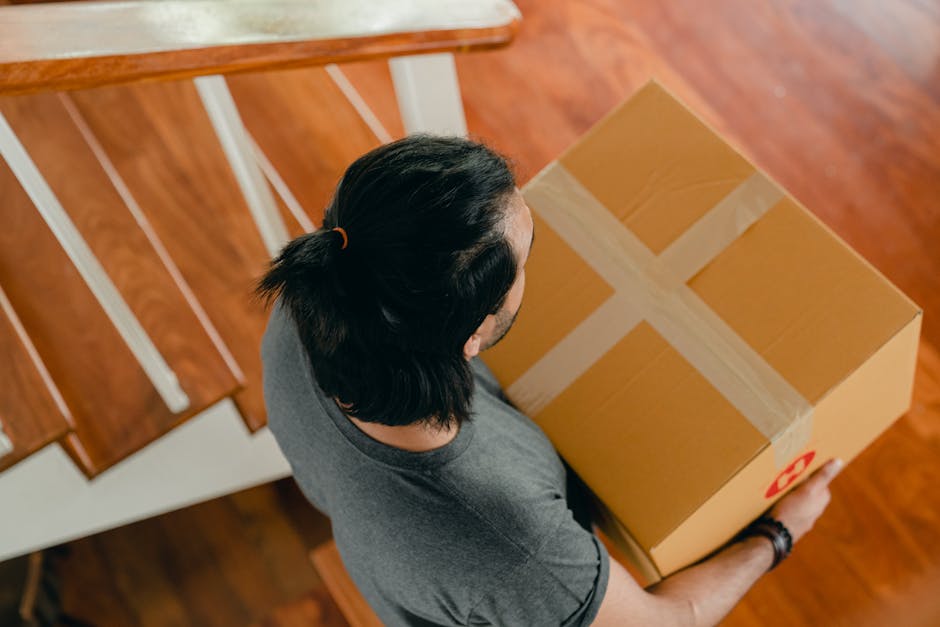
L8 staircase flats, Liverpool: moving large items safely
Moving a sofa, wardrobe, mattress, fridge, or washing machine out of a staircase flat is one of those jobs that looks simple until you're standing in a tight hallway, trying not to scrape the wall or twist your back. In L8 staircase flats, Liverpool: moving large items safely usually means planning for narrow turns, awkward landings, shared entrances, and the reality that one wrong angle can cause damage fast. Truth be told, the hardest part is often not the weight, but the geometry.
This guide walks you through the safest way to move large items from L8 staircase flats, what to prepare before anyone lifts a thing, and how to decide whether you need extra help. If you're moving home, clearing furniture, or arranging a one-off item transfer, this should give you a calmer, clearer plan. And yes, calmer is possible.
For broader moving support, you may also find our home moves service and packing and unpacking services useful if the job is bigger than a single item.
Table of Contents
- Why it matters in L8 staircase flats
- How the moving process works
- Key benefits and practical advantages
- Who this is for and when it makes sense
- Step-by-step guidance
- Expert tips for better results
- Common mistakes to avoid
- Tools, resources and recommendations
- Law, compliance, standards or best practice
- Options, methods, or comparison table
- Case study or real-world example
- Practical checklist
- Conclusion
- Frequently asked questions
Why L8 staircase flats, Liverpool: moving large items safely Matters
L8 includes a lot of older housing stock, conversions, and flats with stair access that can be less forgiving than a modern lift-served building. That matters because large items are rarely moved in a straight line. They need to pass through doorways, rotate around corners, and sometimes tilt enough to clear a banister without knocking a wall lamp, a photo frame, or the plaster itself.
When people search for moving advice for staircase flats, they are usually dealing with one of three pressures: protecting the item, protecting the property, or protecting their own backs. Ideally, you want all three. A sofa can be replaced. A cracked stair rail, a damaged communal wall, or a pulled muscle is a much bigger headache.
There is also the social side of it. Staircase flats often mean shared landings, neighbours coming and going, and less room for error. Nobody wants a long, awkward pause while three people try to pivot a chest of drawers at the top of the stairs. That's where preparation pays off. A little organisation can save the whole afternoon.
Expert summary: In staircase flats, the safest move is rarely the strongest lift. It is usually the best-planned lift, with measured routes, clear roles, proper equipment, and enough space to stop, reset, and try again without rushing.
How L8 staircase flats, Liverpool: moving large items safely Works
The process is part planning, part practical lifting, and part problem-solving. Let's face it, no two staircases are identical. One flat may have a generous sweep and wide corners, while another has a tighter stairwell, low ceiling clearance, and a turn that feels like it was designed by someone who hated wardrobes.
Here's how a sensible move usually works:
- Measure first. Check the height and width of the item, but also the stairwell, landings, and door frames. It sounds basic, yet this is the step people skip most often.
- Plan the route. Decide which angle the item needs to travel in. A sofa on its end, for example, may clear a corner that it cannot pass in the normal position.
- Protect surfaces. Use blankets, edge protectors, and floor coverings where needed. In a staircase flat, scratches tend to happen at corners and door edges, not in the middle of the room.
- Assign roles. One person should lead and call directions. The others should follow those instructions. Too many voices on a stairwell can be a recipe for confusion.
- Lift with control. Keep the item balanced, move slowly, and pause if anything feels unstable. Quick movements are where damage and strain usually begin.
- Load the vehicle properly. Even once the item is outside, it still needs to be secured so it does not shift in transit.
For bigger moves that involve more than one item, a man and van service or a larger moving truck can make the whole process less stressful, especially if parking and access are tight.
Key Benefits and Practical Advantages
The obvious benefit of careful moving is that fewer things get damaged. But there are a few quieter advantages too, and they matter.
- Lower injury risk. Large items are awkward, and the stairs make them more awkward still. A planned lift reduces the chance of sudden strain.
- Less property damage. Narrow corners, banisters, and painted walls are vulnerable. Good preparation helps you avoid little disasters that add up.
- Faster decision-making. Once the route is measured, you stop guessing. That makes the move feel less chaotic.
- Better teamwork. People work better when they know who is leading and what the next step is.
- More confidence on the day. You will notice this immediately. The job still takes effort, but it doesn't feel like guesswork.
There is also a practical financial angle. If a move is handled badly and the item gets damaged, the repair or replacement cost can quickly outweigh the price of getting proper help. That's why many people prefer to compare options early, using a page like pricing and quotes before the day arrives.
Who This Is For and When It Makes Sense
This kind of moving support is for anyone dealing with awkward stairs and bulky belongings in a flat, especially where access is limited and there's no lift. In L8, that often includes tenants moving into or out of upper-floor flats, homeowners clearing a property, and landlords or agents organising a furniture removal between tenancies.
It makes particular sense if you are moving:
- sofas and corner sofas
- beds and divan bases
- wardrobes and tall chests of drawers
- dining tables and heavy desks
- washing machines, dryers, or fridge-freezers
- pianos, gym equipment, or other unusually shaped items
If you're clearing a flat and do not need to keep the furniture, a furniture pick up service may be the cleaner option. For office furniture or commercial equipment, the right fit may be more like commercial moves or office relocation services.
It also makes sense when time is tight. Maybe you've got a weekend handover, a same-day check-out, or a stairwell that needs careful coordination with neighbours. In those moments, trying to DIY everything can be a false economy.
Step-by-Step Guidance
Here's a practical approach that works well in most staircase-flat situations. It is not flashy, but it is effective.
1. Measure the item and the route
Start with the item itself. Note the full height, width, and depth, including handles and feet. Then measure the tight spots: door frames, corridor bends, stair width, and landings. If the item only just fits on paper, you should assume the real move will need extra care.
2. Empty and disassemble where possible
Remove drawers, shelves, loose cushions, and detachable legs. A wardrobe often becomes much easier to manage once it is broken down into panels. A washing machine should be disconnected properly before it is moved. This sounds obvious, but in a rush people forget the small fittings and then wonder why the item is wobbling halfway down the stairs.
3. Clear the route
Move shoes, mats, bins, fragile decorations, and anything else that might catch a foot or a corner. Open doors fully if you can. Check for low lighting in the stairwell, because a dim landing makes a bad angle even worse.
4. Protect the property
Use furniture blankets, corner guards, and non-slip coverings where useful. On older staircases, scuffs happen quickly. A little padding can be the difference between a clean move and an apology to a neighbour you'd rather not have to make.
5. Decide the carrying method
Some items are best carried upright, others on a side, and some need to be tilted for a corner. The right method depends on the shape, weight distribution, and stair layout. If you are unsure, test the angle before committing to the full lift.
6. Move slowly and communicate clearly
Use simple instructions: stop, lift, turn, lower, reset. No long explanations while somebody is balancing a sofa on a stair landing, please. Short commands are safer and calmer.
7. Load and secure in the vehicle
Once outside, secure the item with straps or supportive loading so it doesn't slide. This step is easy to rush, especially in light rain or cold wind, but it matters just as much as the stair carry itself.
If you need a vehicle for the final leg, removal truck hire can be a sensible option for larger or multiple items, while a man with van arrangement may suit a smaller, more flexible move.
Expert Tips for Better Results
In our experience, the jobs that go smoothly are usually the ones where somebody paid attention to the tiny details. Not glamorous, but there you go.
- Use two-person tests before the main lift. A quick practice tilt can reveal whether the item is likely to catch on a bannister or ceiling.
- Keep gloves on hand. Good grip matters more than people think, especially if the item has smooth laminate sides or slick fabric.
- Watch the landing first. Many problems appear on the turn, not on the straight run of stairs.
- Take photos of fragile areas before starting. This is practical, not paranoid. It helps everyone stay honest about the condition of the flat.
- Plan parking early. If the vehicle ends up too far away, your carrying distance doubles and fatigue sets in.
- Do the heavy move when you're fresh. Morning is often better than late afternoon. Your legs and patience are both better early on.
One thing people underestimate is fatigue. A large item can feel fine for the first flight of stairs, and then suddenly not fine at all. That is usually when a careful pause saves the day.
Common Mistakes to Avoid
Most staircase-flat problems come from a handful of repeat mistakes. The good news? They are avoidable.
- Skipping measurements. Guessing is the fastest route to getting stuck halfway up or down.
- Trying to move too much at once. One sofa and a lamp is different from a sofa, fridge, mattress, and three boxes. Different game entirely.
- No plan for corners. Straight corridors can lull people into a false sense of security, then the stair turn stops everything.
- Poor communication. If one person is pulling while another is stopping, the item can twist unexpectedly.
- Ignoring communal access. Shared hallways need consideration. It is a courtesy issue, but also a safety one.
- Not protecting the item. Wet weather, brick dust, and rough stair edges can all leave marks quickly.
- Using the wrong vehicle. A move that needs a larger load space is not the time to improvise with a car boot and optimism.
And yes, optimism is nice. Just not as a lifting strategy.
Tools, Resources and Recommendations
You do not need a mountain of kit, but the right basics help a lot. A small set of practical tools can make moving from a staircase flat much safer.
| Tool or item | Why it helps | Best use |
|---|---|---|
| Furniture blankets | Protects surfaces from chips and scuffs | Wrapped around wooden furniture, door frames, or stair edges |
| Straps or lifting aids | Helps stabilise awkward loads | Large, heavy, or top-heavy items |
| Gloves with grip | Improves handling and control | Smooth, bulky, or awkward items |
| Floor coverings | Reduces scratches and dirt marks | Hallways, landings, and shared access areas |
| Corner protectors | Softens impacts on turns | Narrow stair bends and tight doorways |
| Toolkit | Useful for dismantling items safely | Beds, wardrobes, tables, and appliances |
Recommendations depend on the job. For a single bulky item, a man and van can be a simple fit. For a fuller property move, house removalists are often a better choice because they can handle the lift, the loading, and the logistics together.
If you are also clearing items you no longer want, the recycling and sustainability page is worth considering so unwanted furniture and materials are handled more thoughtfully.
Law, Compliance, Standards, or Best Practice
For most people, the main concerns are safety and property care rather than legal complexity. Still, there are a few UK best-practice points worth keeping in mind. Anyone doing manual handling should avoid lifting in ways that are clearly unsafe, especially where the load is heavy, uneven, or likely to twist the body. If a move feels beyond what one or two people can do safely, that is a good sign to stop and reassess.
In shared buildings, be considerate of communal access, noise, and obstruction. That means not blocking stairwells longer than necessary, keeping pathways clear, and taking extra care with shared walls and bannisters. It sounds basic, but basic is good. Basic keeps everyone happier.
Insurance is another sensible consideration. Before a move, it is worth understanding what level of cover or protection is included and whether high-value items need special care. If you want a clearer overview of that kind of reassurance, our insurance and safety information explains the mindset to adopt: careful handling first, peace of mind second.
For business customers or anyone needing structured terms, it can also help to review terms and conditions and health and safety policy information before the move. Not thrilling reading, admittedly, but useful.
Options, Methods, or Comparison Table
There is no single right way to move a large item from a staircase flat. The best method depends on the size of the item, access, and how much help you want on the day.
| Method | Best for | Pros | Trade-offs |
|---|---|---|---|
| DIY with friends | Light to medium items | Low upfront cost, flexible timing | Higher risk of damage or strain; needs coordination |
| Man and van | Single bulky items or small loads | Practical, adaptable, usually quick | May need you to do more of the prep |
| House removalists | Full flat moves or multiple heavy items | More comprehensive support and planning | Usually more involved than a basic lift-only solution |
| Truck hire | Larger moves with more load space | Good for volume and secure transport | Requires more coordination and parking space |
For a small stair carry with limited furniture, a flexible van option may be enough. If you are relocating more than one room's worth of contents, it is often smarter to move up a level of support rather than trying to make a tiny solution do a big job.
Case Study or Real-World Example
Picture a typical L8 staircase flat: two upper floors, a narrow landing, and a sofa that looked perfectly manageable in the shop. On the day, the sofa turns out to be a little wider than expected, the stair corner is tighter than expected, and suddenly everyone is standing there in socks, thinking hard.
The move goes better once the team stops trying to push straight through. They remove the cushions, rotate the frame on edge, and take the turn one step at a time. One person leads from the top, another steadies from below, and they pause on the landing rather than forcing the angle. The sofa clears with a few centimetres to spare. Not elegant. But successful.
What made the difference? Three things: proper measuring, simple communication, and patience at the corner. There was no magic trick, no heroic lift, just calm problem-solving. That's usually how these jobs work when they go right.
Practical Checklist
Use this checklist before moving anything large from a staircase flat:
- Measure the item in full, including handles and feet
- Measure stair width, landings, doors, and corners
- Clear the route of shoes, mats, boxes, and loose items
- Protect walls, floors, and furniture edges
- Remove drawers, shelves, cushions, or detachable parts
- Confirm who is leading the move and who is following instructions
- Check the item can be carried safely by the available people
- Plan where the vehicle will park and how far the carry will be
- Use gloves, straps, blankets, and corner protection where needed
- Secure the item properly in transit
- Leave enough time for pauses and repositioning
- Review whether professional support would be safer or faster
If any one of those steps feels uncertain, that is usually the moment to slow down rather than push ahead. A careful pause is not a failure. It is often the reason the job ends well.
Conclusion
Moving large items safely from L8 staircase flats in Liverpool is mostly about respect: respect for the item, the building, the people helping, and your own body. When the route is measured, the load is prepared, and the lift is communicated clearly, the whole process becomes much less stressful. Still a job, sure. But a manageable one.
Whether you are shifting a single bulky piece, clearing a rented flat, or planning a full move, the safest approach is the one that reduces guesswork. That might mean better tools, better timing, or simply bringing in the right level of help. Either way, the goal is the same: get the item out without damage, without drama, and without that sinking feeling when something scrapes.
If you'd like a straightforward next step, take a look at the services and support options that fit your move best, and choose the level of help that makes the day feel easier rather than harder.
Get a free quote today and see how much you can save.
Sometimes the best move is the one that lets you breathe a bit easier at the top of the stairs.
Frequently Asked Questions
How do you move a sofa down stairs in a flat without damaging the walls?
Measure the sofa and the stair route first, remove loose parts, and use blankets or corner protectors on the wall edges. One person should lead the angle and call the turns slowly.
What is the safest way to move a wardrobe in a staircase flat?
Disassemble it if possible. If not, keep it stable, tilt only as needed, and make sure the route is clear from the room to the vehicle. Wardrobes are awkward because they catch on corners very easily.
Do I need professional help for one large item only?
Not always, but it can make sense if the item is heavy, the stairs are narrow, or you do not want to risk injury. A smaller move can still benefit from a man and van setup.
How do I know if an item will fit around the stair corner?
Measure the widest point of the item and compare it with the available turning space. If the fit looks tight on paper, assume you'll need to rotate, tilt, or partially dismantle it.
What should I do before moving a washing machine from a flat?
Disconnect it properly, secure the drum if required, and make sure it is dry and free of loose hoses. It's heavy and clumsy, so having extra help is usually wise.
Can a man and van service handle staircase-flat moves?
Yes, for many single-item or small-load jobs. It is often a good middle ground when you want help with lifting and transport without booking a full move.
How can I protect shared hallways and communal stairs?
Use floor coverings, move slowly, and avoid blocking the route for longer than needed. Communicating with neighbours or the building manager is courteous and can prevent awkward moments.
Is it cheaper to do it myself?
It can be, but only if you already have enough people, the right equipment, and a low-risk route. If damage or injury is likely, the cheaper option can become expensive quite fast.
What if the item is too large for the staircase?
Then you may need to dismantle it, use a different exit, or choose a professional moving method with better equipment and planning. Sometimes the honest answer is that the item simply needs a different approach.
How far in advance should I plan a move from an L8 staircase flat?
As early as you reasonably can. Even a small move benefits from advance measuring, checking vehicle access, and deciding whether you need extra help. Leaving it until the morning of the move is a bit too exciting, really.
Are there special safety rules for moving furniture in UK flats?
The main expectation is to move safely, avoid unnecessary risk, and take care not to damage property or block shared access. Good manual handling practice and sensible planning matter more than heroics.
What's the best option if I'm moving a few items and also clearing unwanted furniture?
You might combine a moving service with a furniture clearance approach. If items are no longer needed, a furniture pick up or a review of recycling and sustainability options may be useful.
For direct help, planning support, or a clearer sense of what your move will involve, you can also explore the wider moving services and speak through the details with the team when you're ready.