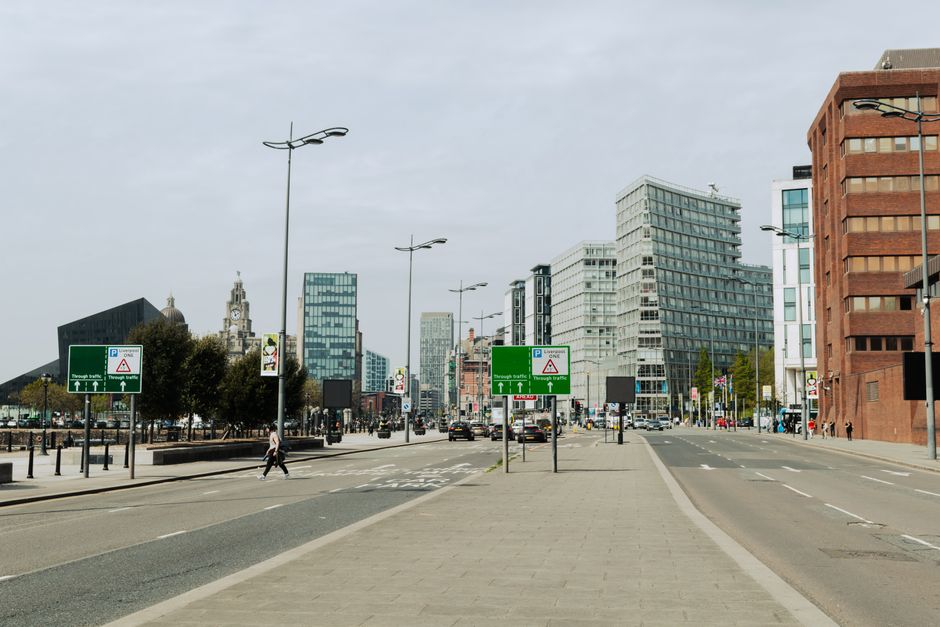
Liverpool Removals Near Lime Street Station Access Tips: A Practical Local Guide
If you are planning a move close to Lime Street Station, the main challenge is usually not the lifting. It is the access. Narrow streets, busy pedestrian flow, taxi activity, one-way systems, and the general stop-start rhythm of central Liverpool can turn a simple removal into a bit of a puzzle. That is exactly why Liverpool removals near Lime Street Station access tips matter: they help you avoid delays, protect your belongings, and keep the day calm enough to think straight.
Truth be told, most moving-day problems in this part of the city are predictable. The good news? Predictable means manageable. In this guide, you will find a clear, practical breakdown of how access works near Lime Street Station, what to check before move day, how to choose the right removal setup, and the little details that make a big difference when a truck has to load or unload in a tight urban area.
Why Liverpool removals near Lime Street Station access tips Matters
Lime Street Station sits in one of the busiest parts of Liverpool city centre, which means the surroundings are lively, not forgiving. If you are moving a flat, office, student room, or storage load nearby, access planning affects nearly every part of the job: timing, parking, loading distance, team size, and the type of vehicle that makes sense.
A move in this area can go smoothly, but only if you treat access as a core part of the job rather than an afterthought. A van parked two streets away is not just mildly annoying; it can double handling time, increase the risk of knocks and drops, and make a tight schedule unravel. And once the day gets behind, it tends to stay behind. You know how it is.
There is also a customer experience angle. If you are moving home, you want the first thing at the new place to feel orderly, not frantic. If you are relocating a business or office, disruption becomes money and stress in equal measure. The right planning around station-area access helps preserve both time and patience.
For many people, a service like man and van support in Liverpool is a strong fit near Lime Street because it can be more flexible in confined city-centre spaces. For larger household jobs, a more structured option such as home moving services or even house removal specialists may be better if there are stairs, awkward access points, or heavier furniture.
How Liverpool removals near Lime Street Station access tips Works
The basic idea is simple: reduce friction before the vehicle arrives. In practice, that means understanding where a van can stop, how long it can stay there, whether there is a legal loading area nearby, and what happens if the property entrance is not directly accessible.
Near Lime Street Station, removal access often depends on a mix of timing and logistics. A late morning arrival may be easier than a peak travel-time slot. A small vehicle may be easier to place than a large truck. A well-briefed team can often save several minutes just by knowing the best approach route, the nearest entrance, and whether furniture needs to come out in a specific order.
There is also a difference between parking and loading access. Some streets simply are not suitable for long waits, but may be manageable for a quick stop and unload. That distinction matters. A lot. If your mover misunderstands it, you can end up with a van circling, a frustrated driver, and you standing by the doorway holding a box of books while wondering why the kettle is still in the kitchen.
For heavier or bulkier items, the vehicle choice also matters. A compact load may suit a smaller vehicle, while a full flat or office move may call for a moving truck or removal truck hire. If the route involves several trips or limited waiting space, a smaller, more agile setup can sometimes be the smarter option, even if it looks less impressive on paper.
Key Benefits and Practical Advantages
The real benefit of good access planning is not flashy. It is steadiness. A well-prepared move feels boring in the best possible way. The team arrives, the right equipment is on hand, the load is done without drama, and nobody spends twenty minutes trying to reverse into a space that was never quite suitable to begin with.
- Less delay: If the vehicle can get close, loading is faster and the day keeps moving.
- Lower handling risk: Shorter carrying distances reduce the chance of damage to furniture, walls, and flooring.
- Better cost control: Time lost to poor access can push up labour and vehicle costs.
- Less stress for everyone: The move feels more controlled, especially if you are dealing with tight deadlines.
- Smarter vehicle choice: Access planning tells you whether a van, lorry, or flexible man-and-van arrangement is best.
There is also a small but meaningful benefit many people overlook: morale. If the first 30 minutes of move day go well, people settle. Boxes are stacked properly, tea gets made, and the whole thing stops feeling like a disaster in progress. That counts for a lot.
If you are moving a workplace, access planning can be tied neatly into broader relocation support, such as commercial moves or office relocation services. For households that need packing help as well, packing and unpacking services can reduce congestion on the day because items are ready to move efficiently, not half-open in random bags.
Who This Is For and When It Makes Sense
This topic is relevant to anyone moving within walking distance of Lime Street Station, or anywhere where city-centre access is tight. That includes people moving into apartments, short-term lets, student accommodation, serviced offices, or homes where the nearest loading point is not right outside the front door.
It also matters if you are shifting a small number of items and want to keep the job quick. That might be a sofa, a bed, a few boxes, or a furniture pick-up. In those cases, a smaller service can be efficient, especially if access is awkward and speed matters more than carrying capacity. A focused furniture pick-up service can sometimes make more sense than booking a full-scale move.
For larger domestic moves, families often need a more complete setup. For businesses, the priority is usually minimising downtime, which means tighter scheduling and more attention to vehicle placement, building entry points, and lift access. And yes, even the best-laid plans can wobble if somebody discovers the service lift is out of action five minutes before arrival. Happens more often than people admit.
This approach makes sense when:
- you are moving near the station and access is limited
- you have stairs, no lift, or long internal corridors
- the road space is shared with taxis, deliveries, or heavy footfall
- you need a compact, efficient move rather than a large, slow one
- you want a clearer quote based on realistic access conditions
Step-by-Step Guidance
A good move near Lime Street Station starts well before the van arrives. Here is a practical approach that works in the real world.
- Check the exact pick-up and drop-off points. Do not just rely on the postcode. Know which entrance, street, or side access the movers should use.
- Measure the obvious obstacles. Think stairs, lift size, narrow doorways, low ceilings, and awkward bends in hallways.
- Identify where a vehicle can safely stop. Even a short stop matters in a busy area, so plan where unloading will actually happen.
- Match the vehicle to the access. If the road is tight, a smaller van may be better. If the move is larger, make sure the bigger truck can realistically reach the property.
- Sort the items in load order. Keep essentials, fragile items, and bulky furniture separated so the team does not waste time unpacking the puzzle on the pavement.
- Confirm timing. If your building has time restrictions or the road is busier at certain hours, build your schedule around that rather than fighting it.
- Prepare the property. Clear hallways, reserve lifts if possible, and protect floors and corners.
- Have a back-up plan. If a loading bay is unavailable, know the alternative point in advance. The move will feel less chaotic.
A quick practical example: if you are moving out of a first-floor flat near the station, with no lift and no direct driveway access, the most useful thing you can do is reduce walking distance between the property and the vehicle. That one decision can save more time than any amount of careful tape on the boxes. Funny how often that gets missed.
If the job involves several rooms and larger furniture, you may want to combine access planning with the right collection of vehicles and labour, such as man with van support for a lighter move or a more robust arrangement if the load is substantial. There is no prize for overbooking the wrong size of vehicle.
Expert Tips for Better Results
After enough moves, you start noticing patterns. The small things really do matter. The following tips are the ones that make the biggest difference near Lime Street Station.
1. Treat the first and last 20 metres as the priority
Most of the move is ordinary lifting. The most difficult part is usually the short stretch between the property and the vehicle. If you can shorten that gap, even a little, you improve the whole day.
2. Keep one person focused on access, not boxes
If possible, have someone whose job is to watch the doorway, direct items, and deal with the little interruptions. It sounds minor. It is not. One person on access can prevent a lot of running about.
3. Think about floor protection early
Hallways near city flats often see heavy use already. Add moving trolleys and wet weather and things get slippery fast. Protective coverings and sensible footwear go a long way.
4. Use smaller loads if the environment is congested
Sometimes two smaller runs are safer and faster than one oversized attempt. In tight station-area access, flexibility is often more valuable than brute capacity.
5. Ask about insurance and handling standards
Not all moves need the same level of cover or handling procedure, but you do want to know what the mover does if something gets damaged in transit or while being carried. A trustworthy provider should be clear about this. For many customers, reading the details on insurance and safety is a sensible part of the planning process.
One small human tip: keep a flask of tea or coffee somewhere accessible. Not as a luxury, just as a reset button. When everybody hits that mid-move dip, it helps more than you would think.
Common Mistakes to Avoid
Some mistakes show up again and again, and they are usually avoidable. Nothing dramatic. Just the kind of thing that causes unnecessary friction.
- Assuming a van can park right outside. In a station area, that is often wishful thinking.
- Not checking building access in advance. A missing lift key or a locked side entrance can throw the whole day off.
- Booking the wrong vehicle size. Too small means extra trips; too large can mean access problems.
- Ignoring time pressure. Trains, traffic, delivery windows, and building rules all eat into the schedule.
- Leaving packing to the last minute. Half-packed boxes slow everybody down and create breakage risk.
- Forgetting disposal or unwanted items. Old furniture and clutter can complicate loading if nobody has sorted them out in advance.
There is also a subtle mistake people make when they are trying to save money: they focus on headline price rather than access reality. A cheaper quote can become the expensive option if the mover spends half the day waiting, walking, or reworking the plan. Better to be honest upfront than clever later.
If you already know you have surplus items to clear, a separate furniture pick-up or a sustainability-minded disposal plan may help reduce clutter before moving day. That can make the actual removal much cleaner.
Tools, Resources and Recommendations
You do not need a mountain of equipment for a successful move near Lime Street Station, but a few practical tools can save a lot of hassle.
- Boxes of consistent size: Easier to stack, carry, and load safely.
- Furniture blankets and wraps: Useful for protecting wood, glass, and painted surfaces.
- Trolley or sack barrow: Very helpful if the access route includes a long internal corridor.
- Labels and tape: Simple, but they stop the chaos later.
- Room-by-room checklist: Keeps fragile or essential items from disappearing into the general pile.
- Phone photos of access points: Handy when explaining the layout to movers before the day.
For booking and planning, many people also find it useful to review a provider's service pages in advance so expectations are clear. If you are comparing options, the pages for pricing and quotes and about us can help you understand how the company presents its work, while contact us is the sensible next step if the access situation is unusually tricky and you want to talk it through before booking.
For people planning an office shift, it can also be worth looking at commercial move support alongside the logistics of the building itself. Office removals near a station area often hinge on loading windows, lift bookings, and keeping disruption to staff and visitors to a minimum.
Law, Compliance, Standards, or Best Practice
Near Lime Street Station, compliance is usually less about one dramatic rule and more about sensible urban moving practice. You should always respect local parking restrictions, loading rules, building management instructions, and any site-specific safety requirements. If a property has a concierge, landlord, or facilities team, get the practical rules in writing if you can. It saves arguments later. And yes, people do argue over loading bays. Regularly.
Best practice also includes safe lifting, clear walkways, and proper vehicle positioning. In the UK, movers are generally expected to work in a way that reduces risk to people and property. That means not blocking emergency access, not overloading paths, and making sure the route is safe for the team carrying items back and forth.
Insurance matters too. If you are using professionals, ask what cover is in place, what is excluded, and how claims are handled in the event of accidental damage. Keep your own valuables and documents separate where possible. That is just common sense, really.
Environmental responsibility can also be part of best practice. Unwanted items, cardboard, and old furniture should be handled thoughtfully, especially if you are clearing a flat before move-in day. If sustainability matters to you, see whether the company explains its approach to recycling and sustainability. A careful move is often a cleaner one.
Options, Methods, or Comparison Table
The right removal method depends on access, volume, urgency, and how much help you want on the day. Here is a simple comparison to make the choice clearer.
| Option | Best for | Advantages | Trade-offs |
|---|---|---|---|
| Man and van | Smaller moves, single-room loads, quick access jobs | Flexible, efficient, often easier in tight city-centre streets | Less capacity for large household moves |
| Home move service | Full household removals | More structured, better for multiple rooms and furniture | Needs more planning and a realistic access route |
| Moving truck or removal truck hire | Larger loads, multi-room or office moves | Good capacity, useful for bigger jobs | Can be harder to place near restricted access points |
| Commercial move support | Business relocation, office equipment, downtime-sensitive jobs | Better suited to organised, time-bound moves | Requires careful coordination with building access and schedules |
If your property is very close to the station and loading space is limited, smaller and more agile options are often the practical winner. If you have a full family home to move, the calculation changes quickly. Bigger is not always better. Sometimes it is just bigger.
Case Study or Real-World Example
Imagine a two-bedroom flat a short walk from Lime Street Station. The flat is on an upper floor, the building has a shared entrance, and the street outside gets busy early. The residents want the move done in one morning because they have keys to collect at the new place after lunch.
The first instinct might be to book a large truck and hope for the best. In practice, that can be awkward. A more measured approach would be to confirm the nearest practical stopping point, check whether the building allows temporary loading, and decide whether a smaller vehicle with a quicker turnaround is smarter.
On the day, the team arrives with boxes already grouped by room, fragile items wrapped, and the biggest furniture moved first. One person keeps an eye on the doorway while another directs the load order. There is a short wait when a delivery vehicle blocks part of the street. Annoying, yes. But because the plan already allowed for a bit of flexibility, nobody panics.
The move finishes with less fuss than expected. The hallway stays intact, the lift is not abused, and the flat is cleared in one clean run. Nothing glamorous. Just efficient. And honestly, that is what most people want.
Practical Checklist
Use this checklist before your move near Lime Street Station. It keeps the day grounded.
- Confirm the full address and the exact entrance point
- Check road access, loading restrictions, and likely stopping space
- Measure stairs, lifts, doorways, and tight corners
- Decide whether a van, truck, or mixed vehicle approach is best
- Book the right level of labour for heavy or awkward items
- Pack and label boxes by room and priority
- Protect furniture, floors, and fragile items
- Keep essentials separate for immediate access at the new place
- Clear unwanted items before move day where possible
- Ask about insurance, safety handling, and payment details early
- Have a backup loading plan if the first stop point is blocked
- Keep phone numbers and keys easy to find
That last one sounds obvious until you are standing in a doorway with one glove on and no clue where the key bundle went. It happens.
For customers who want a straightforward booking process, the team's payment and security information can also be worth checking before move day, especially if you are comparing providers and want a little more certainty about how arrangements are handled.
Conclusion
Moving near Lime Street Station is absolutely manageable when access is planned properly. The key is to think like a local operator rather than a hopeful passenger: check where the vehicle can stop, how far items will need to be carried, what the building allows, and which service setup matches the job. Small decisions here save a lot of effort later.
Whether you are moving a flat, a family home, an office, or just a few pieces of furniture, the same principle applies: reduce friction before the van arrives. That is the real secret behind Liverpool removals near Lime Street Station access tips. Not luck. Not speed. Just good preparation, calm judgement, and a bit of patience when the city gets busy.
If you are still weighing up your options, it is worth checking the service details that best match your move and speaking early about any awkward access points. The smoother the briefing, the smoother the day tends to be.
Get a free quote today and see how much you can save.
Frequently Asked Questions
How do I plan removals near Lime Street Station if parking is limited?
Start by identifying the nearest realistic loading point rather than assuming you can stop right outside the property. Share the access details with your mover in advance, including the street layout, entry point, and any restrictions. That usually leads to a more workable vehicle choice and a less stressful move.
Is a man and van service enough for a move near Lime Street Station?
For smaller flats, single rooms, or a few bulky items, yes, often it is. A flexible man and van setup can be a very practical fit in tight city-centre streets. For larger homes or heavier loads, a more structured removal service is usually better.
What should I tell the removal company before moving day?
Give them the exact address, access route, floor number, lift details, parking constraints, and anything unusual such as a narrow staircase or time-limited loading area. The more precise you are, the better they can plan the job.
Do I need to reserve a parking space for removals near Lime Street Station?
That depends on the property and local arrangements. Some buildings have loading bays or managed access, while others do not. It is best to check early and avoid making assumptions, because central Liverpool streets can be busy and unforgiving.
What is the best time of day for a removal around Lime Street Station?
There is no one perfect time, but avoiding peak travel and delivery periods often helps. Early planning matters more than chasing a magic hour. In practice, the best slot is the one that matches your building access and vehicle stopping options.
Should I book packing help as well as the move?
If you have fragile items, a lot of rooms, or very little time, packing help can reduce pressure on the day. It also makes the load more predictable, which is useful when access is tight.
What if the van cannot park close to the property?
Then the team will need to carry items farther, which takes more time and may affect the quote or schedule. A good mover will plan for this where possible, but it is always better to flag the issue before booking than discover it on the day.
Are larger moving trucks suitable near Lime Street Station?
Sometimes yes, sometimes no. It depends on street width, stopping space, and the exact route. In restricted areas, a smaller vehicle or split-load approach can be more practical.
How can I reduce the risk of damage during a city-centre move?
Pack properly, wrap furniture, clear routes inside the property, and use the right vehicle size. Shorter carrying distances and clear access paths make a real difference. So does not rushing the first load, even when everyone is keen to get going.
What should I do with unwanted furniture before moving?
Deal with it before moving day if possible. Clearing unwanted items makes access easier and reduces loading clutter. If you only have a few items to dispose of, a separate furniture collection arrangement may be the simplest route.
How do I know if the company is the right fit for my move?
Look for clear information on services, safety, insurance, pricing, and communication. If they ask sensible questions about access and don't rush the planning, that is usually a good sign. You want someone who understands the practical side, not just the brochure version.
Can a removal company handle office moves near Lime Street Station too?
Yes, and in a city-centre location, office moves often benefit from structured planning. If your business needs to minimise downtime, it is worth exploring commercial and office relocation support rather than trying to improvise on the day.