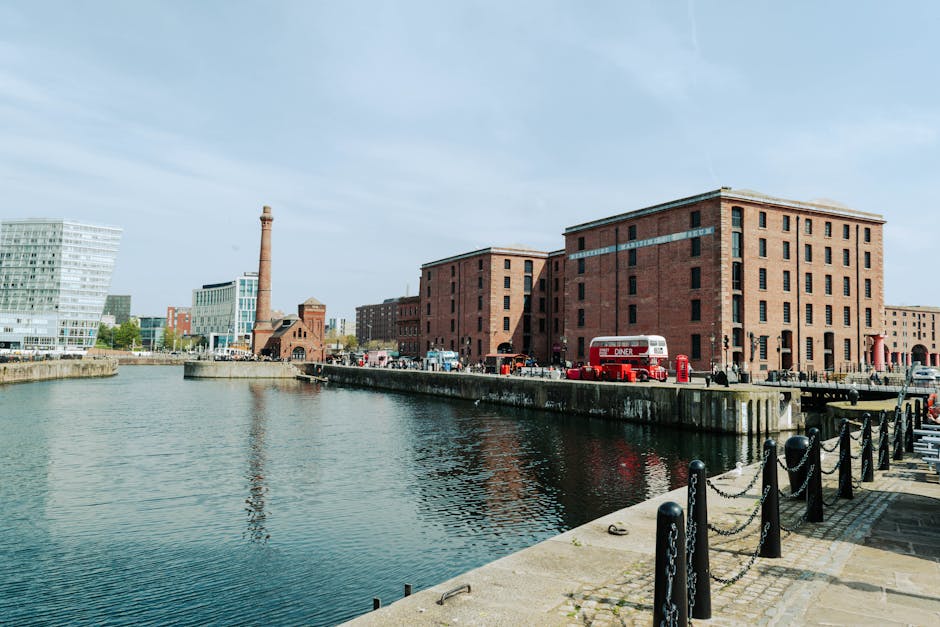
Royal Albert Dock Liverpool removals for waterside homes: a practical guide for a smoother move
Moving into a waterside home near Royal Albert Dock Liverpool sounds exciting for a reason. You get the light, the views, the feeling of being right next to the water - and then, almost immediately, the practical side turns up with boxes, parking questions, lift bookings, and a sofa that suddenly looks too wide for the stairwell. Royal Albert Dock Liverpool removals for waterside homes are a little different from a standard city move, and that difference matters. This guide walks through what to expect, what to plan for, and how to avoid the small headaches that can become big ones if you leave them too late.
Whether you are moving into a dockside apartment, leaving a waterfront flat, or helping someone relocate a bigger household with awkward furniture, the aim is the same: make the move calm, efficient, and safe. And yes, with a bit less swearing at the hallway turn. Let's get into the detail.
Why Royal Albert Dock Liverpool removals for waterside homes Matters
Royal Albert Dock is not just another postcode on a removal van route. Waterside homes bring a few extra layers to the move: tighter access, shared entrances, lift bookings, protected communal areas, loading restrictions, and weather that can change the mood of the day in about ten minutes. If you are moving a home with full-size furniture, fragile decor, or valuable electronics, those details are not minor. They shape the whole job.
In our experience, the biggest difference is not distance. It is logistics. A move that looks simple on paper can become awkward if the van cannot stop close enough, if there is no clear path from kerb to door, or if the building has rules about moving times. That is why waterside removals reward planning more than brute force. You do not want to arrive with three people, a mattress, and no idea where the loading bay actually is. It happens more than you would think.
There is also the practical reality of apartment living. Many Royal Albert Dock homes are accessed through shared corridors, lifts, or managed entrances, so care matters. Furniture needs proper protection, floors may need covering, and neighbours should be considered. A good moving plan keeps the property looking as neat when you leave as it did when you arrived. That sounds obvious, but it is often the first thing people forget on moving day, right after where they put the kettle.
If you are comparing moving support, it helps to think about the scale of the job. A small flat move may suit a man and van service, while a larger home with multiple rooms, bulky wardrobes, or a long loading sequence may need a more structured approach such as house removalists or a full home moving service. The right choice depends less on the postcode and more on the practical shape of the move.
How Royal Albert Dock Liverpool removals for waterside homes Works
The process usually starts before moving day, ideally with a proper assessment. For a waterside home, that means checking access points, lift sizes, parking availability, and the items that may need extra care. Sofas with sharp corners, glass tables, mirrors, artwork, and white goods all need different handling. A fridge may be straightforward; a king-size bed with a heavy frame and limited stair clearance, not so much.
From there, the move is broken into simple stages. First comes preparation: measuring, sorting, packing, and confirming access. Then comes loading, which is where timing matters. Dockside areas can feel busy at predictable times, and it is always better to have the van positioned, the route clear, and the building informed in advance. Finally, there is delivery and set-up at the new home. For a smooth result, unpacking should be planned almost as carefully as packing. A room-by-room approach is usually best.
Some residents prefer a smaller, flexible move with a man with van option for a lighter load or a same-day transfer. Others want more support with wrapping, labelling, lifting, and placing items where they belong, which is where packing and unpacking services can save a surprising amount of stress. To be fair, the packing side is often more exhausting than the drive itself.
A realistic waterside move also includes a few "unknowns". Weather can affect how long loading takes. Building staff may have set access windows. A lift may be shared with residents. None of this is dramatic, but it all adds up. A good mover plans around these details rather than hoping they sort themselves out on the day. They rarely do.
Key Benefits and Practical Advantages
When Royal Albert Dock Liverpool removals are handled properly, the benefits show up quickly. The move feels calmer. The furniture arrives in better condition. The building is protected from scuffs and bumps. And you are less likely to spend the first evening in the new home hunting for cutlery while standing among half-open boxes. That is a real win, honestly.
- Better protection for valuable items: water-facing homes often contain higher-end finishes, glass, art, and custom furniture that need careful wrapping.
- Less disruption to neighbours: clear time slots and quiet, efficient handling reduce friction in shared buildings.
- Safer handling of awkward access: tight corners, lift thresholds, and communal areas are managed with the right equipment and technique.
- More predictable timing: planning around parking and access windows helps the move stay on schedule.
- Better unpacking flow: when boxes are labelled sensibly, the first night is a lot less chaotic.
There is another benefit that people overlook: confidence. When you know the moving plan is realistic, the whole day feels easier. You can focus on the new home rather than fighting the logistics. That makes a huge difference, especially if you are moving with children, pets, or a tight work schedule.
If budget and speed are part of your decision, comparing options can help. A smaller move may be fine with a flexible vehicle, while larger homes or furniture-heavy moves may suit a dedicated moving truck or removal truck hire. The key is to match the service to the job instead of assuming bigger is always better. Sometimes it is; sometimes it is just a more expensive way to move two chairs and a lamp.
Who This Is For and When It Makes Sense
This kind of removal is for anyone moving into or out of a waterside property around Royal Albert Dock Liverpool where access, shared space, or item protection matters. That includes professionals relocating to the dock area, couples moving into a first apartment, families downsizing to a smaller modern home, and landlords or tenants handling a turnaround between occupiers.
It also makes sense when the move includes more than just boxes. If you have large wardrobes, a sectional sofa, delicate mirrors, a piano, or furniture that was only just squeezed into the property on the way in, you will want a removal approach that respects the realities of the building. The same goes for residents who need items collected from storage before settling into the waterside property.
For smaller or simpler loads, a quick local move can often be handled efficiently with man and van support. For larger moves, or where you want a more traditional team-led service, house removalists may be the better fit. If you are clearing out old items before moving, it can also be sensible to arrange a furniture pick up so you are not paying to move things you no longer need.
Truth be told, the best time to think about the moving method is before you start filling boxes. Once the hallway is packed with folded blankets and kitchenware, decisions get harder.
Step-by-Step Guidance
A good move near the dock follows a sequence. Keep it simple, and keep it honest. No heroics.
- Survey the property and access. Measure larger items, check lift dimensions, and note stairs, corners, and entrance widths.
- Confirm loading arrangements. Work out where the van can stop, how long it can stay, and whether building management needs notice.
- Sort what is coming with you. Decide what will be moved, what can be sold, and what should be disposed of or collected separately.
- Pack by room and priority. Label boxes clearly. Put essentials into one separate bag or box so the first evening is manageable.
- Protect fragile items properly. Use padding, wrap glass and screens, and keep screws or fittings attached to the correct furniture.
- Book the right vehicle and support level. Choose the service that fits the volume, access, and time available.
- Prepare the new home. Clear routes, protect floors if needed, and decide where large items should go before arrival.
- Walk through at the end. Check all rooms, cupboards, and storage spaces before leaving the old property.
A small but useful trick: make a photo of every room before you start dismantling anything. That way, if you need to remember how a shelf, lamp, or wall unit was arranged, you are not guessing later. Handy, and slightly less maddening.
For larger or more complex homes, add a buffer into the schedule. Even half an hour can help if the lift is busy or the weather turns wet. In Liverpool, a grey breezy afternoon can arrive with very little warning. You know the sort.
Expert Tips for Better Results
Small adjustments make a big difference in waterside removals. Start with the furniture. If something can be dismantled safely, do it before moving day. Bed frames, table legs, and modular shelving are easier to carry when they are broken down and clearly labelled. Keep fittings in bags taped to the relevant item. One screw disappearing into a box of mugs can ruin a mood very quickly.
Second, treat fragile items like they matter, because they do. Use proper wrapping, not just a few sheets of newspaper and a hopeful expression. Glassware, artwork, and screens should be insulated from movement inside the box. Air space is the enemy here. Boxes should be snug, not rattling around like a drawer full of coins.
Third, communicate clearly if you share the building with others. A polite note, a booking confirmation, or a quick heads-up to management can prevent awkward moments at the entrance. It is a simple thing, but it helps. In communal properties, good manners are part of good logistics.
And finally, use the right level of support for the day. If you are moving a full home with bulky furniture, there is a good argument for a structured service with reliable handling, protective equipment, and a crew that knows how to work quickly without rushing. If your move is lighter, a smaller setup may be more cost-effective. The point is not to overbuy or underbuy. The point is to fit the move.
Common Mistakes to Avoid
Most moving problems are preventable, which is both comforting and slightly annoying. Comforting because the fix is usually simple. Annoying because people still do the same avoidable things every week.
- Leaving access questions until moving day. By then it is too late to discover the loading bay is awkward or the lift booking was never confirmed.
- Underestimating furniture sizes. A tape measure is boring. Also essential.
- Overpacking boxes. Heavy boxes slow everything down and increase breakage risk.
- Forgetting building rules. Shared properties often have expectations about hours, access, and protecting communal areas.
- Not separating essentials. The first night should not involve opening ten boxes to find a charger.
- Choosing the wrong transport size. Too small means multiple trips. Too large can create its own access issues.
- Ignoring disposal in advance. If old furniture is not wanted, plan its removal before the move rather than after.
The biggest mistake, though, is assuming all removals are the same. Royal Albert Dock Liverpool removals for waterside homes have their own rhythm. Once you respect that rhythm, the whole process becomes easier.
Tools, Resources and Recommendations
You do not need a truckload of specialist equipment to move well, but the right basics help a lot. A sturdy tape measure, permanent marker, quality boxes, furniture blankets, mattress covers, stretch wrap, and a small toolkit can prevent a surprising amount of stress. Good labels matter too. "Kitchen - plates" is far better than "miscellaneous" unless you enjoy detective work after 9pm.
For larger moves, having a proper vehicle and loading plan is wise. If the move is straightforward but still needs flexibility, a man with van can be practical. If the item list is larger, or you want a more formal transport setup, a moving truck may be more appropriate. For customers who need a mix of support and reliability, removal truck hire can give the scale needed without overcomplicating the process.
It also helps to review the moving company's approach to safety and service standards. A clear health and safety policy and strong insurance and safety information are reassuring because they show that the mover takes protection seriously. You may not need to think about those pages every day, but on moving day, they matter more than most people expect.
For planning and administration, a few site pages can be useful too, especially if you want to understand how bookings, pricing, and service details are handled. That includes pricing and quotes, payment and security, and, if you want to know more about the business itself, the about us page. No fluff, just useful background.
Law, Compliance, Standards, or Best Practice
For home removals, there is not one single rulebook that covers every situation, but there are clear UK best practices worth following. Property access should be arranged responsibly. Communal spaces should be protected from damage. Furniture should be lifted and carried safely, especially on stairs or through narrow thresholds. If staff are moving heavy items, sensible manual handling practices matter, and that is true whether the move is one sofa or a full house.
Where buildings have management requirements, those should be respected even if they feel slightly inconvenient. They usually exist to avoid damage, noise, or disruption to residents. A mover who understands that environment is usually worth more than one who only thinks about speed. Fast is useful. Careful is better.
It is also good practice for customers to understand terms before booking. That means checking what is included, how delays are handled, how fragile items are treated, and what happens if access conditions change. For anyone moving a lot of possessions, clarity helps with expectation setting and avoids awkward surprises. If you want to read the company policies in advance, the pages on terms and conditions, privacy policy, cookie policy, and accessibility statement may be worth a look, especially if you value transparency. It's the boring paperwork side, yes, but boring paperwork can save a lot of confusion.
Environmental care matters too. If you are disposing of old furniture, packaging, or unwanted items, choosing a provider with a sensible recycling and sustainability approach can help reduce waste and keep the move more responsible. Not glamorous, but the right thing to do.
Options, Methods, or Comparison Table
The best moving method depends on the size of the property, access conditions, and how much help you want on the day. Here is a simple comparison to make the decision easier.
| Option | Best for | Strengths | Watch-outs |
|---|---|---|---|
| Man and van | Small flats, light loads, short local moves | Flexible, straightforward, often quick to arrange | May be less suitable for large furniture sets or full homes |
| Man with van | Similar to small or moderate household moves | Good for mixed loads and practical transport support | Capacity may be limited for bigger waterside apartments |
| House removalists | Full house moves, bulky furniture, more complex access | More structured handling and better for larger jobs | May be more than you need for a very small move |
| Moving truck or truck hire | Larger volume moves, coordinated loading, multiple rooms | Useful when a bigger vehicle is needed | Requires good access planning around the dock area |
If you are undecided, start with the access question. How far is the carry? Is there lift access? Can the vehicle stop nearby? Those answers often point you to the correct service faster than any sales pitch does.
Case Study or Real-World Example
Here is a simple, realistic example. A couple moving into a waterside apartment near Royal Albert Dock had a mix of items: a bed, dining table, two sofas, a mirrored wardrobe, and several boxes of books and kitchenware. On paper, it looked manageable. In practice, the mirrored wardrobe was the problem. It would not have been sensible to drag it through the corridor assembled, and the lift was too tight for the full frame.
The solution was to break down the wardrobe, wrap the mirror separately, label the fittings, and set aside the heavier boxes so they could be loaded first. They also booked the move for a quieter time of day and confirmed the entrance access in advance. The whole job became less dramatic than they feared. Still a lot of lifting, of course. But no panic, no damage, and no last-minute improvisation with a screwdriver in the hallway.
That is the main lesson. When the move is planned around the property, the property stops being a problem and becomes just the place you are moving into. A subtle difference, but an important one.
Practical Checklist
Use this as a final pre-move check for a waterside home near Royal Albert Dock Liverpool.
- Confirm move date, arrival time, and access arrangements.
- Check lift dimensions, stair access, and any building rules.
- Measure large furniture and identify anything that needs dismantling.
- Separate items to keep, sell, donate, recycle, or dispose of.
- Pack fragile belongings with proper cushioning and clear labels.
- Prepare a box or bag of essentials for the first 24 hours.
- Protect floors, walls, and corners where necessary.
- Make sure parking or loading space is understood in advance.
- Keep important documents and keys somewhere easy to reach.
- Walk through the property before leaving to check for missed items.
Expert summary: the smoother dockside move is usually the one that looks slightly over-prepared from the outside. That is not a bad thing. It is the whole point.
Conclusion
Royal Albert Dock Liverpool removals for waterside homes are about more than getting belongings from one address to another. They are about managing access, protecting valuable items, respecting shared spaces, and keeping the day under control. When you think through the route, the building, the packing, and the vehicle choice in advance, the move becomes far less stressful and far more predictable.
If you are weighing up your options, start with the size of the property, the type of furniture, and the access situation. From there, choose the level of help that fits the job, whether that is a flexible van move, a fuller home service, or something in between. It does not need to be complicated. It just needs to be sensible.
Get a free quote today and see how much you can save.
And if you are standing in a half-packed flat looking at a sofa that seems to have grown overnight, take a breath. With the right plan, this part passes quickly. The view, thankfully, stays.
Frequently Asked Questions
What makes Royal Albert Dock Liverpool removals different from a standard house move?
Waterside homes often involve shared entrances, lift access, loading restrictions, and tighter handling around communal areas. That means planning matters more than usual.
Do I need a full removal team for a dockside apartment?
Not always. Smaller moves may suit a man and van service, while larger properties or bulky furniture usually benefit from house removalists or a bigger vehicle.
How far in advance should I plan the move?
As early as possible, especially if building access needs booking or you have large items to dismantle. A bit of planning goes a long way here.
What should I do about furniture that will not fit through the lift?
Measure it early and dismantle it where possible. If that is not practical, discuss the access issue before moving day so the team can plan accordingly.
Is packing and unpacking help worth it for a waterside home move?
Yes, often it is. It can save time, reduce breakages, and make the first night much easier because essentials are organised from the start.
How do I avoid damage in shared corridors or entrances?
Use protective wrapping, keep routes clear, and make sure the movers handle items carefully. Good communication with the building also helps a lot.
What if I only have a few rooms of furniture?
A smaller solution may be best, such as man with van support or a compact moving truck arrangement, depending on access and load size.
Should I clear out unwanted furniture before the move?
Yes. It is often cheaper and simpler to remove unwanted pieces before the main move than to transport them unnecessarily. Furniture pick up can help here.
What should I keep with me on moving day?
Keys, documents, medication, chargers, valuables, and an essentials bag with toiletries, snacks, and a change of clothes. The basic stuff. The stuff you will actually need.
How can I tell if a quote is fair?
Compare what is included, not just the headline figure. Look at access assumptions, loading time, packing support, and whether the service matches your actual move.
Are there sustainability options for moving house?
Yes. Choosing a mover with a recycling and sustainability approach can help with unwanted furniture, packaging waste, and a more responsible clear-out.
What is the safest way to move fragile items in a waterside home?
Wrap them well, box them securely, keep boxes snug, and mark them clearly. Fragile pieces should not be left to slide around during transport.
Where can I learn more about the company's service standards and terms?
You can review the company's about us, pricing and quotes, insurance and safety, and terms and conditions pages to understand how the service is structured before booking.