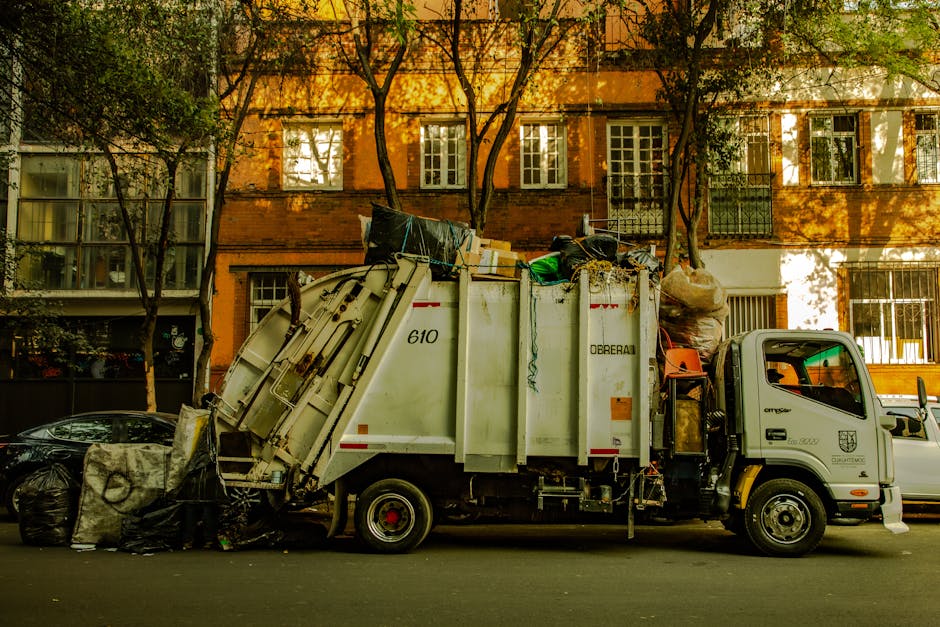
Waste disposal laws in Merseyside: legal obligations for movers
Moving house or relocating a business in Merseyside can feel like a long day of boxes, tape, kettle breaks, and someone always saying, "Where did we put the charger?" But there is another side to a move that people often overlook until the last minute: waste. Broken furniture, old mattresses, empty paint tins, packaging, unwanted office equipment, and leftover clutter all need to be handled properly. That is where Waste disposal laws in Merseyside: legal obligations for movers come in.
If you are arranging a home move, a commercial relocation, or a furniture clear-out, the legal duty is not just to get rid of items quickly. You need to make sure waste is stored, moved, handed over, and disposed of responsibly. In practice, that means understanding what counts as waste, who is responsible for it, and how to avoid fines, fly-tipping accusations, and messy disputes. Let's make it clear, without the legal waffle.
For movers, tenants, landlords, and businesses in Liverpool, Wirral, St Helens, Knowsley, Sefton, and across Merseyside, the rules can affect everything from the van you hire to the way you leave a property at handover. This guide breaks it down in plain English and gives you a practical route through compliance.
- Quick take: if you create or move waste, you remain responsible for it until it is passed to a lawful carrier or facility.
- Main risk: using an unlicensed or careless mover can leave you exposed if the waste is dumped illegally.
- Best habit: separate reusable items, recyclable materials, and true waste before moving day.
Why waste disposal laws matter for movers
Waste rules are not there to make moving harder. They exist because once waste leaves a property, it can cause environmental harm, public nuisance, blocked pavements, pest issues, and illegal dumping if it is not handled properly. In a moving context, that matters because movers often handle mixed loads: some items are keepers, some are donations, and some are simply waste. One wrong assumption can turn into a legal and practical headache.
The key point is responsibility. In the UK, waste law generally expects the person producing the waste to ensure it is transferred only to someone authorised to take it. That can be a licensed waste carrier, a council facility, or another lawful route. If you hand a load to someone who later dumps it in a layby near a rural lane or on a housing estate verge, you may still be asked awkward questions about where it came from. Not ideal, to say the least.
For movers in Merseyside, the issue is especially relevant because many jobs involve tight streets, shared access, flats, terraces, office parks, and timed handovers. Waste left behind at the wrong time can create tension with landlords, building managers, neighbours, or business owners. The law and the practical reality often meet in one place: a packed pavement, a full van, and a clock ticking loudly in the background.
It also matters from a trust point of view. When a removal team can explain how waste is sorted, recycled, reused, or disposed of, it signals professionalism. That is why services such as recycling and sustainability are more than a nice extra; they are part of good moving practice.
How waste disposal rules work in practice
In simple terms, the law focuses on two connected ideas: what the material is, and who is responsible for it. Once something is discarded, damaged beyond use, or no longer wanted in its current form, it may become waste. After that point, you need to think about how it is stored, moved, and handed over.
For movers, this usually plays out in a few stages. First, items are sorted at the old property. Then usable items may be kept for reuse, given to charity, or moved intact. Materials that cannot be reused are separated from the rest. Finally, the waste is loaded and taken to an appropriate destination. Sounds simple. It often is simple, if you do the sorting early enough.
What complicates it is mixed waste. A single wardrobe might contain wood, metal fixings, mirrors, and packaging. A move might also include old batteries, broken electronics, paint, or dismantled fixtures. These items should not all be treated the same way. Hazardous or specialist waste needs more care than cardboard or plain household rubbish.
Another practical point is documentation. For many moves, especially business moves and larger clearances, it is sensible to keep a record of what was removed, who took it, and where it went. That record is useful if there is later a landlord query, an office audit, or a complaint. In our experience, the jobs that go smoothly are usually the ones where the paperwork is dull but complete. Dull can be good.
If you are planning a larger home relocation, services like home moves or house removalists can help keep the process organised, especially when waste sorting is built into the job from the start.
Key benefits and practical advantages
Complying with waste disposal laws is not just about avoiding penalties. It creates a cleaner, calmer move and reduces the chance of awkward surprises on moving day. That sounds a bit obvious, but honestly, it is where many problems begin.
- Lower legal risk: you reduce the chance of being linked to fly-tipping or improper disposal.
- Better site handover: properties are left in a more acceptable condition for landlords, buyers, or office managers.
- Cleaner logistics: when waste is separated early, loading is faster and the move is more efficient.
- More reuse and recycling: items that still have life in them are easier to divert from landfill.
- Stronger trust: clients and tenants are more comfortable when a mover takes compliance seriously.
There is also a very human advantage: less stress. Anyone who has stood in an empty room at 4:30 p.m., surrounded by a broken lamp, three half-filled bin bags, and a sofa that will not fit through the door knows the value of a plan. Waste management turns a chaotic end-of-move moment into a manageable one.
For commercial clients, the benefits are even sharper. Office moves can involve archive clear-outs, redundant IT equipment, old chairs, packaging, and display materials. If this is not handled with care, the business can face internal complaints, landlord issues, or compliance concerns. Services such as commercial moves and office relocation services are especially useful when waste and relocation need to be coordinated together.
Who this is for and when it makes sense
This topic matters to far more people than most expect. If you are moving, clearing out, or helping someone else move, you are likely dealing with some form of waste responsibility. That includes homeowners, tenants, landlords, estate agents, business owners, facilities managers, and even families helping older relatives downsize.
It is particularly relevant when:
- you are leaving behind bulky furniture or white goods;
- you are emptying a rental property and need to avoid deposit disputes;
- your office is replacing desks, shelving, or IT kit;
- you are downsizing after a long tenancy and have accumulated years of "we'll deal with that later" items;
- you are arranging a clear-out before a sale, refurbishment, or fit-out;
- you need waste removed alongside boxes and household goods.
Sometimes the need is obvious. A flat is full, the deadline is fixed, and the pile in the hallway is staring at you. At other times, it is more subtle. Maybe you only have a couple of broken chairs and some dismantled wardrobes. But even a small amount of waste still needs proper handling. Small does not mean exempt.
If the job needs flexibility, a vehicle, and hands-on loading, options like man and van or man with van can suit straightforward moves where waste removal is part of the picture. For bigger loads, a moving truck or removal truck hire may be more practical.
Step-by-step guidance for compliant moving
Here is a simple process you can actually use. No legal jargon, no fancy spreadsheet ritual. Just a solid working sequence.
- Walk the property room by room. Decide what stays, what goes, and what can be reused. Keep decisions visible, ideally with labels or a colour system.
- Separate the obvious recyclables. Cardboard, clean paper, some metals, and certain plastics may be recyclable depending on local arrangements and the receiving facility.
- Identify specialist waste early. Batteries, paint, solvents, fluorescent tubes, and old electrical items need more care than general rubbish.
- Choose a lawful disposal route. Use a reputable mover, a licensed waste carrier, or an approved facility where appropriate. Do not leave it to chance.
- Keep a simple record. Note dates, items removed, and who collected them. For businesses, this is especially helpful.
- Confirm final handover condition. Check the property, the access route, the bins, and any communal areas before you leave.
A very practical tip: pack waste separately from move items. If the van contains a mix of rubbish, furniture, archived files, and personal effects, confusion is almost guaranteed. One bag marked "waste" can save half an hour later. Maybe more, if the day has already gone slightly sideways.
When packing and sorting get busy, support from packing and unpacking services can help keep keepable items away from waste streams. That distinction matters more than people think.
Expert tips for better results
Here are the little things that make a big difference, especially on moving day when everyone is tired and the tea has gone cold.
- Start with the awkward items. Old mattresses, broken furniture, and bulky junk create the most pressure if left until the end.
- Ask about waste handling before booking. A mover who can explain their disposal process is usually more reliable than one who says, "We'll sort it out later."
- Keep hazardous items out of general loads. Paint, chemicals, and batteries should not be tucked into a box with books and kitchenware.
- Use reusable containers where possible. Fewer single-use materials means less waste, less mess, and fewer bags to carry.
- Leave space in the van. A tightly packed load with mixed waste tends to become a sorting nightmare at the other end.
Also, be honest about what is actually waste. Many people call everything "junk" when some of it is still useful. A chest of drawers with worn handles may still be recyclable or reusable after minor repair. A quick review before disposal can save money and reduce environmental impact.
If you want a provider that understands both handling and responsibility, it is worth reviewing the company's policies too. Pages like health and safety policy and insurance and safety are useful indicators that the business takes risk management seriously.
Common mistakes to avoid
Most waste-related problems in a move are preventable. The trouble is that they usually happen when people are rushing. And moving day does have a habit of making sensible people a bit scatterbrained.
- Leaving waste until the last 20 minutes. That is how things get dumped in the wrong place or left behind in a common area.
- Assuming "someone else will take it." Responsibility does not disappear just because a van arrived.
- Mixing recyclable and non-recyclable items. This can reduce the value of recyclable material and make lawful disposal harder.
- Using a carrier without checking legitimacy. If the waste is dumped illegally, your own decision to hand it over may be questioned.
- Forgetting about building rules. Some blocks have strict lift, corridor, or loading bay rules that affect how waste can be moved out.
Another one: leaving confidential paperwork in an open box during an office move. That is not just a waste issue, it is a privacy and security issue too. If you are moving a business, keep documents controlled right up to disposal or secure transfer. Messy paperwork and a moving trolley are not a great combination.
Tools, resources and recommendations
You do not need a huge toolkit to manage waste properly. In most cases, a few practical items are enough to keep everything under control.
- Labels or coloured tape: useful for marking reuse, recycle, waste, and hazardous items.
- Heavy-duty bags and boxes: reduces breakage and spill risk.
- Basic inventory list: helps track what is being removed and what stays.
- Protective gloves and wrap: sensible for sharp, dirty, or awkward items.
- Vehicle space planning: so waste is not stacked in a way that crushes usable items.
For people who want a smoother process, a full move package can help because waste handling becomes one part of the bigger plan rather than a separate panic later. Services such as furniture pick up are particularly helpful where bulky items need lawful removal before or during the move.
If cost planning matters, the company's pricing and quotes page is a sensible place to review how move size, labour, and disposal needs may affect the final figure. That is better than guessing. Guessing is expensive in moving, usually.
Law, compliance and best practice
Without overcomplicating it, the legal principle is straightforward: waste must be handled responsibly, and duty of care sits with the person or business creating it until it is passed on properly. In practical terms, movers should not treat waste as an afterthought. It is part of the job.
Best practice usually includes:
- using reputable, lawful disposal routes;
- avoiding fly-tipping in any form;
- keeping waste separate from reusable goods;
- following local collection or site rules where they apply;
- retaining records where a business or landlord would reasonably expect them;
- treating hazardous items with extra care.
For businesses, compliance expectations are often tighter. An office move may involve hard drives, printers, confidential waste, old furniture, and electrical equipment. That calls for better sorting and clearer handover arrangements. If you are arranging a relocation, a service such as commercial moves can help align transport, removal, and disposal duties in one workflow.
It is also sensible to check the mover's public-facing policies and procedures. Pages such as terms and conditions and complaints procedure can show how the company handles responsibility, issues, and service expectations. That does not replace legal advice, of course, but it does tell you a lot about how the business operates.
Options and comparison table
Different moving situations call for different disposal approaches. The right choice depends on volume, item type, urgency, and how much sorting you want to do yourself.
| Option | Best for | Strengths | Watch-outs |
|---|---|---|---|
| Self-sorting and council-style disposal | Small clear-outs and patient planners | Good control over what leaves the property | Takes time, transport, and careful handling |
| Man and van support | Light to moderate household waste and removals | Flexible, quick, practical for mixed loads | Make sure the disposal route is lawful and clear |
| Truck-based removal service | Larger moves or bulky waste loads | Better capacity and simpler loading | Needs good planning so waste does not mix with keepers |
| Dedicated furniture removal or pick-up | Bulky single items or pre-move clearance | Efficient for sofas, wardrobes, beds, and desks | Still needs clarity on reuse, donation, or disposal |
If your move involves larger vehicles or more physical handling, options like moving truck and removal truck hire can make the logistics easier. For some jobs, that is the difference between a tidy exit and a long afternoon of awkward lifting.
Case study or real-world example
Imagine a couple moving out of a terrace in south Liverpool. They have a sofa with a torn arm, two broken dining chairs, a stack of cardboard, an old microwave, and a wardrobe they plan to donate if it is still usable. On paper, that looks manageable. In reality, if they leave it all for moving day, the hallway becomes cluttered and the load turns messy fast.
What worked better in a similar situation was a simple two-day plan. First, the wardrobe was checked, cleaned, and set aside for reuse. Next, the damaged chairs and torn sofa were separated as waste, and the cardboard was flattened early. The microwave was treated as an electrical item and kept apart from general rubbish. On the day, the movers only had to load clearly marked groups. The exit was calmer, the property was left cleaner, and there was no last-minute panic about where things should go.
A small office move in the city centre can look a bit different, but the principle is the same. When the team sorts archive boxes, old monitors, and furniture before the van arrives, the removal runs more smoothly. Waste is not an add-on. It is part of the moving plan.
That kind of practical organisation is also where support from packing and unpacking services can pay off. It keeps useful items out of disposal streams and reduces the risk of accidental waste.
Practical checklist
Use this as a final pre-move check. It is short on purpose.
- Have you separated keep, reuse, recycle, and waste items?
- Have you identified batteries, chemicals, electronics, and other specialist items?
- Have you confirmed who is taking the waste?
- Have you checked that the disposal route is lawful and appropriate?
- Have you kept a note of what was removed?
- Have you protected floors, lifts, corridors, and shared entrances?
- Have you checked whether anything can be donated or repurposed?
- Have you reviewed the mover's safety and insurance information?
- Have you cleared confidential items and personal data from office waste?
- Have you left the property clean enough for handover?
If you can tick most of these off, you are in a strong place. If not, there is still time. The good news is that waste compliance gets much easier once you build it into the move plan rather than treating it as the final scramble.
Conclusion
Waste disposal laws in Merseyside are not something movers can safely ignore. Whether you are moving a family home, clearing a rental, or relocating a business, the legal obligation is simple in principle but important in practice: know what the waste is, handle it properly, and make sure it goes to a lawful destination.
The smartest approach is usually the calmest one. Sort early, keep records, separate special items, and work with a mover who understands both the physical and legal side of the job. That way, you protect yourself, reduce stress, and leave the property in good shape. A cleaner move really does feel better, even before the boxes are unpacked.
Get a free quote today and see how much you can save.
And if you are at the stage where the pile in the corner has become a small kingdom of its own, take it one step at a time. You do not need perfection. You just need a clear plan and a steady hand.
Frequently Asked Questions
What counts as waste during a move?
Anything you are discarding, abandoning, or not taking to the new property can count as waste. That might include damaged furniture, broken appliances, packaging, old files, or items that are no longer fit for use.
Am I still responsible for waste after I hand it to a mover?
Generally, yes, until it has been passed to a lawful carrier or facility. That is why it is worth checking who you are handing it to and how they will dispose of it. Blind trust is not a strategy here.
Can I put all my moving waste into one van load?
You can physically do it, but it is not usually the best idea. Mixed loads are harder to sort and can cause problems if hazardous or recyclable items are included. Separate waste early if you can.
Do movers need special permission to remove rubbish?
They may need to be authorised or appropriately registered if they are carrying waste. The exact requirements depend on the type of service and the waste involved, so it is sensible to ask how the mover handles disposal.
What happens if waste is dumped illegally after my move?
If you handed it to the wrong person or failed to take reasonable care, you could face questions about the origin of the waste. That is one reason to keep records and use reputable services.
Are old sofas and mattresses classed as special waste?
Not always in a strict legal sense, but they are bulky items that often need separate handling because of size, contamination, or disposal rules at the receiving facility. They are rarely as simple as a black bag.
What should I do with batteries, paint, or chemicals before moving?
Keep them separate from general waste and handle them cautiously. These items can require specialist disposal. Never tuck them into random boxes, even if you are in a hurry.
How do I avoid problems in a rental property handover?
Leave the property clear, remove all waste, and check communal areas, cupboards, and outside spaces. A final walk-through often catches the forgotten bits, like a bin bag behind the shed or a broken shelf in the loft.
Is it better to reuse, donate, or dispose of items during a move?
Usually yes, reuse or donation comes first if the item is still suitable. Disposal should be the last step, not the first. That approach is usually cheaper and more responsible.
Do office moves have stricter waste expectations than home moves?
Often they do, mainly because businesses may handle confidential records, electrical equipment, and larger volumes. Good planning and clear records are especially helpful in commercial settings.
How can I check whether a mover is a sensible choice for waste removal?
Look at how clearly they explain waste handling, safety, insurance, and terms. A professional operator should be able to talk plainly about what happens to the waste and how they manage the job.
What is the easiest way to stay compliant on moving day?
Separate waste early, use a lawful disposal route, keep a basic record, and do a final sweep of the property. That simple routine solves most problems before they begin.
For anyone planning a move in Merseyside, the safest mindset is straightforward: treat waste as part of the move, not a side issue. It saves time, avoids headaches, and leaves everyone with a cleaner ending. That is worth doing properly.